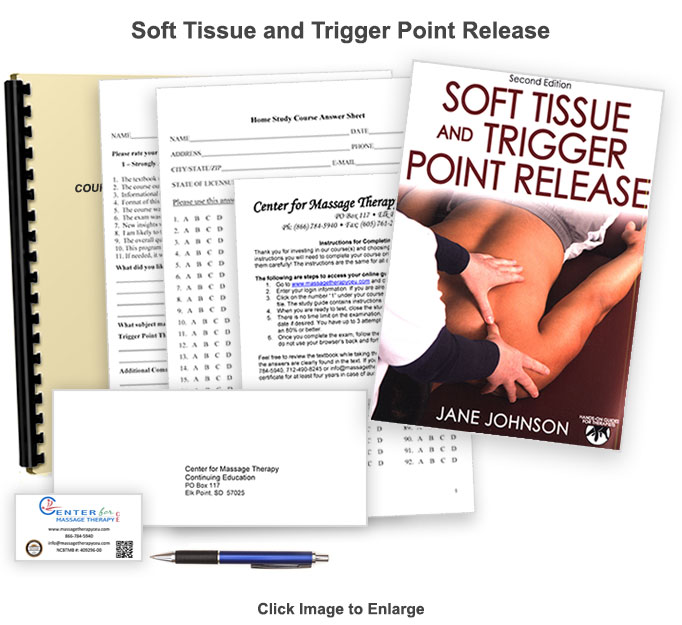
Cost includes all materials. Shipping, if applicable, is a flat rate.
Learn the theory and practical application of therapeutic cupping for massage and bodywork. This 9-hour continuing education course introduces massage therapists to the history and benefits of cupping, appropriate equipment, cupping techniques, safety precautions, contraindications, and considerations for incorporating cupping into a massage therapy session.
Whether you are new to cupping or looking to expand your existing massage therapy skills, this course provides practical instruction in stationary, moving, and lift-and-release cupping techniques. The course also explores applications for lymphatic drainage, athletic performance, cellulite, scar tissue, inflammation, and self-cupping, with a 30-minute instructional video demonstrating moving cupping techniques using silicone cups.
In this course, you will learn:
The history and therapeutic principles of cupping therapy
Potential benefits of cupping for different body systems
Different types of cupping equipment and their appropriate uses
Stationary, moving, and lift-and-release cupping techniques
How to recognize and understand common cupping marks
Contraindications, precautions, and special considerations
How to develop a basic full-body cupping routine
Cupping applications for lymphatic drainage, athletic performance, cellulite, inflammation, and scar tissue
Basic self-cupping techniques
Moving cupping techniques using silicone cups
Why Take this Course?
Cupping can be a valuable addition to a massage therapist's skill set and can be incorporated into a variety of massage and bodywork sessions. Understanding proper equipment, application methods, treatment routines, and safety considerations can help massage therapists develop a stronger foundation in therapeutic cupping.
This 9-hour course combines foundational information with practical technique instruction, making it a useful option for massage therapists who want to add cupping to their continuing education or expand their knowledge of this popular complementary modality.
Describe the history and fundamental principles of therapeutic cupping.
Identify common cupping equipment and their appropriate uses.
Describe stationary, moving, and lift-and-release cupping techniques.
Explain common cupping marks and factors that may influence their appearance.
Identify contraindications, precautions, and special considerations for cupping.
Describe basic full-body cupping routines for general wellness and lymphatic drainage.
Identify cupping applications for conditions such as inflammation, cellulite, athletic performance, and scar tissue.
Describe basic self-cupping techniques and moving cupping applications.
Text: The Guide to Modern Cupping Therapy by Shannon Gilmartin, CMT, 256 pages
30-minute instructional video demonstrating moving cupping techniques
Course instruction guide
52-question multiple-choice final exam
Course evaluation
Certificate of Achievement upon completion
Unlimited phone support for course-related questions
The Center for Massage Therapy Continuing Education, LLC is an Approved Provider through the National Certification Board for Therapeutic Massage and Bodywork (NCBTMB); Approved Provider number 409296-00.
Our continuing education courses are also accepted by the American Massage Therapy Association (AMTA), Associated Bodywork and Massage Professionals (ABMP), and most state boards.
For more information on individual state requirements and approvals, please visit our Approvals page and click on your state.
The textbook is very good. I found the author very thorough, and I appreciated all the pictures to help see the cupping protocols for specific conditions. I also liked that the author chose to show cupping protocols for very common conditions. - Megan L.
The textbook was an awesome resource and explained cupping very well. - Holly S.
Course was great and broken down in the most simple informative way possible. - Daisy Robles
Very informative textbook. I like that I have it to reference back to. - J. Bellarus
The textbook and DVD were very professional. I did not like having to have materials shipped, but they came very quickly! - Xian Ling
I liked the specificity of the cup placement for specific treatments. - Lisa Hardy
Loved everything about this course! Very straight forward and information I can use right away! - Tera Jones Schmidt
I greatly liked everything! I can't wait to take more CEU's with this company. - Jimmy Simerskey, LMT
Cups act as a __________, drawing fluids into an area or encouraging them through their respective exchange processes.
A. Pump
B. Vacuum
C. Pushing force
D. Compression
Cupping affects the digestive system in all of the following ways EXCEPT:
A. Influences tonic muscular activity
B. Inhibits peristalsis
C. Stimulates peristalsis
D. Promotes overall abdominal health
Which of the following is a correct guideline for therapeutic cupping for lymphatic drainage?
A. Pressure should be deeper
B. Use moving cups or lift-and-release techniques – no stationary cups
C. Cups used should be smaller in size
D. Treat and drain more distal or outer regions before attempting proximal areas
Course Author
About the Instructor
Corrine Rubida, BS, LMT
Corrine completed her massage therapy training at Gateway College of Massage Therapy in 1997 and earned a Bachelor of Science degree in Healthcare Administration in 2012. She has been practicing and teaching massage therapy since 1997 and currently holds a massage therapy license in South Dakota. She is also a member of the ABMP. In 2002, Corrine founded the Center for Massage Therapy CE to make professional massage continuing education courses available both online and by mail. Since then, she has developed more than 100 home-study massage continuing education courses and has taught live courses for AMTA and the Gateway College of Massage Therapy.