Domestic Violence, Sexual Assault and Harassment Awareness and Prevention
2 CE Hours
$28.00
Cost includes all materials. Shipping, if applicable, is a flat rate.
Develop greater awareness of domestic violence, sexual assault, and sexual harassment and learn how these issues may affect massage therapy clients and workplaces. This 2-hour continuing education course introduces massage therapists to different types of abuse and harassment, warning signs and red flags, effects on victims, common misconceptions, and appropriate professional responses.
The course also addresses prevention of sexual harassment in massage settings, including situations involving clients, coworkers, and supervisors. Through examples and role-play scenarios, massage therapists will explore how to recognize concerns, respond appropriately, maintain professional boundaries, and connect clients or colleagues with helpful resources.
In this course, you will learn:
Different types of domestic violence, sexual assault, and sexual harassment
Warning signs and red flags that may indicate abuse or harassment
Physical, emotional, and behavioral effects on victims
Common misconceptions about domestic violence, sexual assault, and harassment
How massage therapists can recognize potential signs during client interactions
Appropriate professional responses when a client discloses abuse or trauma
Strategies for preventing sexual harassment in massage therapy settings
Professional boundaries and therapist awareness
Resources available to massage therapists and clients seeking help
Why Take This Course?
Massage therapists may encounter clients who have experienced domestic violence, sexual assault, or harassment. Developing awareness of warning signs and understanding appropriate professional responses can help therapists create a safer, more respectful environment for their clients and colleagues.
This focused 2-hour course provides practical information about recognizing abuse and harassment, responding appropriately, preventing workplace sexual harassment, and connecting individuals with available resources. It is a valuable addition to professional education for massage therapists who want to strengthen their awareness and communication skills.
Define domestic violence, sexual assault, and sexual harassment.
Identify common warning signs and red flags associated with abuse and harassment.
Describe potential physical, emotional, and behavioral effects on victims.
Recognize common misconceptions surrounding domestic violence, sexual assault, and sexual harassment.
Describe appropriate professional responses when concerns or disclosures arise during a massage session.
Identify strategies for preventing sexual harassment in massage therapy settings.
Explain the importance of professional boundaries and therapist awareness.
Identify resources that may assist massage therapists and clients seeking support.
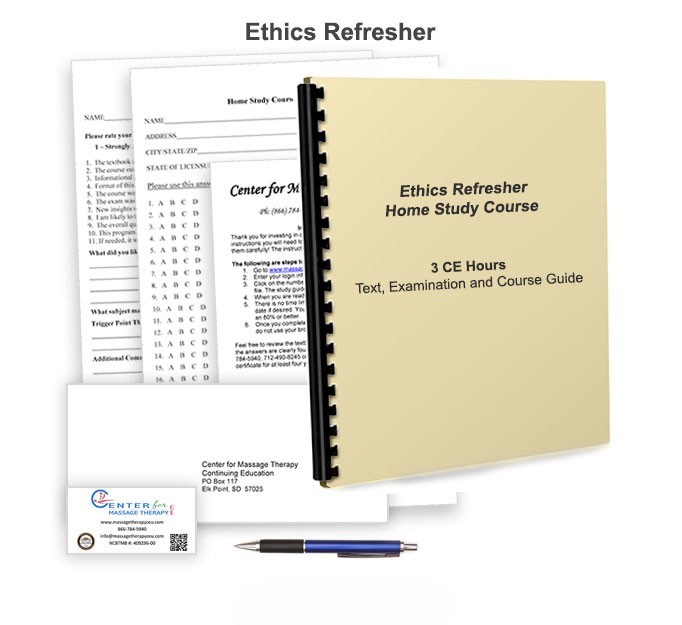
Text: Domestic Violence, Sexual Assault, and Sexual Harassment Awareness by Corrine Rubida, 87 pages
Course instruction guide
12-question multiple-choice final exam
Course evaluation
Certificate of Achievement upon completion
Unlimited phone support for course-related questions
The Center for Massage Therapy Continuing Education, LLC is an Approved Provider through the National Certification Board for Therapeutic Massage and Bodywork (NCBTMB); Approved Provider number 409296-00.
Our massage online continuing education courses are also accepted by the American Massage Therapy Association (AMTA), Associated Bodywork and Massage Professionals (ABMP), and most state boards.
For more information on individual state requirements and approvals, please visit our Approvals page and click on your state.
Held my interest while meeting my requirements! - Mary Jo C., LMT
Easy to download, follow, and test. Will return for more courses in the future. - Jane M.
Comprehensive without adding filler. Love your online massage therapy CEUs. - Jessica B., LMT
Allowed me to complete online and saved me lots of time and money. - Harriet A., LMT
Which of the following may be a sign of domestic violence that can be seen in a client’s medical history?
a. Needing permission for appointments or activities
b. Appearing anxious, fearful, or withdrawn
c. Multiple bruises, cuts, or scars in various stages of healing
d. Flinching or tensing up when touched
Which of the following is a common misconception regarding sexual harassment in massage settings?
a. Sexual harassment is not part of the job
b. Only women are victims
c. Professional organizations support reporting
d. Sexual harassment can create an unsafe work environment
What is therapist awareness?
a. Being attuned to both verbal and non-verbal cues, maintaining professional boundaries, and knowing how to respond compassionately and ethically
b. A process by which a client voluntarily gives permission for massage services after being fully informed about what the session will involve
c. A pattern of abusive behavior in any relationship that is used by one partner to gain or maintain power and control over another intimate partner
d. The legal obligation of certain individuals or professionals to report suspected or known cases of abuse, neglect, or exploitation to the appropriate authorities
Course Author
About the Instructor
Corrine Rubida, BS, LMT
Corrine completed her massage therapy training at Gateway College of Massage Therapy in 1997 and earned a Bachelor of Science degree in Healthcare Administration in 2012. She has been practicing and teaching massage therapy since 1997 and currently holds a massage therapy license in South Dakota. She is also a member of the ABMP. In 2002, Corrine founded the Center for Massage Therapy CE to make professional massage continuing education courses available both online and by mail. Since then, she has developed more than 100 home-study massage continuing education courses and has taught live courses for AMTA and the Gateway College of Massage Therapy.