Cost includes all materials. Shipping, if applicable, is a flat rate.
Develop a better understanding of implicit bias and how unconscious attitudes, stereotypes, and assumptions can influence interactions in massage therapy. This 1-hour continuing education course introduces massage therapists to implicit and explicit bias, different types of bias, how bias develops, and the potential impact of bias on client relationships, professional decision-making, and the massage therapy profession.
Whether you work with clients from diverse backgrounds or simply want to strengthen your awareness and cultural competency, this course provides practical information to help you recognize potential biases, consider how they may influence your interactions, and develop more inclusive professional practices.
In this course, you will learn:
What implicit bias is and how it differs from explicit bias
Different types and examples of implicit bias
How implicit bias develops and why people are susceptible to it
How implicit bias can influence perceptions, decisions, and interactions
Examples of implicit bias within massage therapy
How bias may affect client relationships and the massage profession
Strategies for increasing awareness of personal biases
How greater awareness of implicit bias can support more inclusive client care
Resources for continued learning about implicit bias
Why take this course?
Awareness of implicit bias can help massage therapists recognize assumptions that may unintentionally influence communication, client relationships, and professional decisions. Developing greater awareness can support respectful, equitable, and culturally competent interactions with clients from different backgrounds.
This focused 1-hour course is a convenient option for massage therapists who want to strengthen their cultural competency, learn more about implicit bias, or meet a diversity, cultural competency, or implicit bias continuing education requirement where applicable.
Define implicit bias and distinguish it from explicit bias.
Identify different types and examples of implicit bias.
Explain how implicit bias develops and why individuals may be susceptible to it.
Recognize ways implicit bias can influence perceptions, decisions, and professional interactions.
Identify strategies for increasing awareness of implicit bias and reducing its potential influence on client care.
Describe how greater awareness of implicit bias can support respectful and inclusive massage therapy practice.
Text: Implicit Bias in Massage textbook by Corrine Rubida, BS, LMT, 30 pages
Course instruction guide
9-question multiple-choice final exam
Course evaluation
Certificate of Achievement upon completion
Unlimited phone support for course-related questions
From our understanding, this course will not meet the Michigan requirement because it is not presented in a live format.
The Center for Massage Therapy Continuing Education, LLC is an Approved Provider through the National Certification Board for Therapeutic Massage and Bodywork (NCBTMB); Approved Provider number 409296-00.
Our massage online continuing education courses are also accepted by the American Massage Therapy Association (AMTA), Associated Bodywork and Massage Professionals (ABMP), and most state boards.
For more information on individual state requirements and approvals, please visit our Approvals page and click on your state.
This course was so convenient and easy to complete. Loved the information. - Jerilyn P., LMT
Thank you for creating an online massage CE course that meets my states requirements. - Cindy J.
Easy checkout process and easy to download and complete. - Maryanne D., LMT
Material was easy to read and understand. Was a perfit fit for my state requirements. Glenn R., LMT
What is implicit bias?
A. The unconscious attitudes, stereotypes, and beliefs that influence our perceptions, actions, and decisions without our deliberate awareness
B. The attitudes, beliefs, and stereotypes that individuals consciously endorse and express toward others
C. Practicing inclusivity to all races, genders, regardless of socioeconomic status, background or culture
D. Practicing exclusivity to all races, genders, regardless of socioeconomic status, background or culture
Which of the following is an effect of implicit bias on a massage therapist?
A. Limited professional growth
B. Increased quality of care
C. Strained client relationships
D. Missed opportunities for inclusivity
What is the Implicit Association Test?
A. The most widely used self-assessment test tool for implicit bias
B. A test for clients to determine their treatment preferences
C. A free recorded webinar on implicit bias
D. A top recommended book providing information on implicit bias
Course Author
About the Instructor
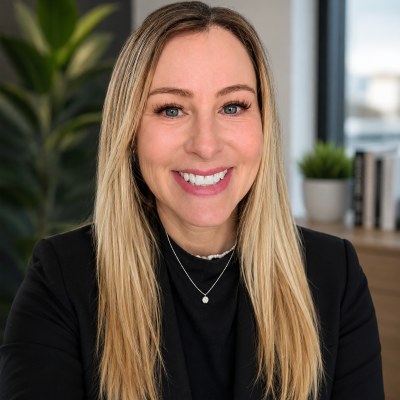
Corrine Rubida, BS, LMT
Corrine completed her massage therapy training at Gateway College of Massage Therapy in 1997 and earned a Bachelor of Science degree in Healthcare Administration in 2012. She has been practicing and teaching massage therapy since 1997 and currently holds a massage therapy license in South Dakota. She is also a member of the ABMP. In 2002, Corrine founded the Center for Massage Therapy CE to make professional massage continuing education courses available both online and by mail. Since then, she has developed more than 100 home-study massage continuing education courses and has taught live courses for AMTA and the Gateway College of Massage Therapy.