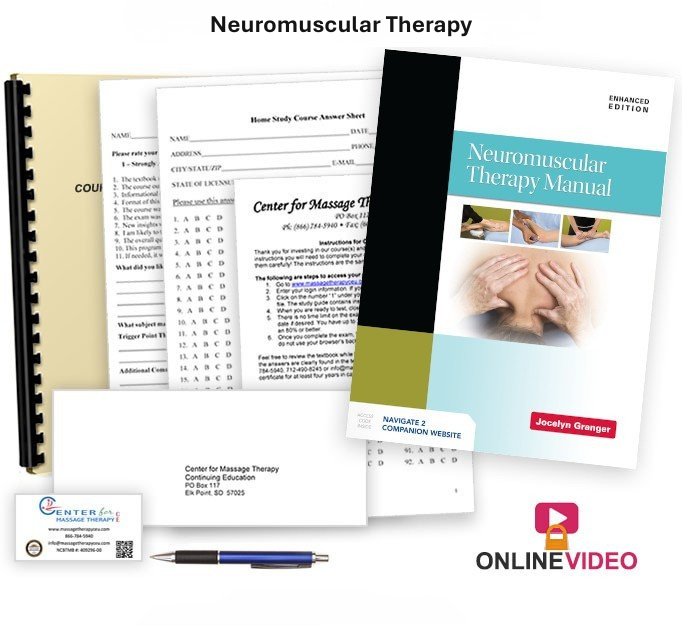
Cost includes all materials. Shipping, if applicable, is a flat rate.
Explore 21 different massage and bodywork modalities in this comprehensive 22-hour continuing education course. This course provides massage therapists with an introduction to a variety of techniques and approaches that are relevant to today's massage therapy profession.
Topics include active isolated stretching, Ayurvedic therapies, cancer massage, craniosacral therapy, geriatric massage, infant and pediatric massage, manual lymphatic drainage, myofascial release, neuromuscular therapy, orthopedic massage, prenatal massage, reflexology, Shiatsu, sports massage, structural integration, Thai massage, trigger point release, Tui Na, and other bodywork approaches.
Online resources and technique demonstrations complement the textbook, providing additional information as you explore these different modalities. The course is designed as an introduction to a broad range of approaches and can help therapists identify modalities they may want to explore through additional education and hands-on training.
In this course, you will learn:
The basic principles of 21 massage and bodywork modalities
Techniques and applications associated with different massage approaches
Stretching, myofascial release, neuromuscular, and trigger point techniques
Traditional approaches including Ayurveda, Shiatsu, Thai massage, and Tui Na
Massage considerations for prenatal, geriatric, infant and pediatric, and cancer clients
Manual lymphatic drainage, craniosacral therapy, reflexology, and polarity therapy
Sports, orthopedic, structural integration, and other specialized approaches
Resources and techniques for further study
Why take this course?
This course is a great choice for massage therapists who want to explore multiple massage and bodywork modalities in one course. With 21 modalities covered in 22 hours, it provides a broad introduction that can help you discover techniques and approaches you may want to pursue through additional education or hands-on training.
Describe the basic principles and purposes of a variety of massage and bodywork modalities.
Identify key characteristics and techniques associated with selected massage modalities.
Compare different approaches to massage and bodywork and their intended applications.
Recognize considerations associated with working with specialized populations, including infants, older adults, pregnant clients, and clients with cancer.
Describe techniques associated with stretching, myofascial release, neuromuscular therapy, and trigger point work.
Identify traditional principles associated with modalities such as Ayurveda, Shiatsu, Thai massage, and Tui Na.
Recognize the role of additional education and hands-on training when developing proficiency in specialized massage modalities.
Identify resources for further study of massage and bodywork techniques.
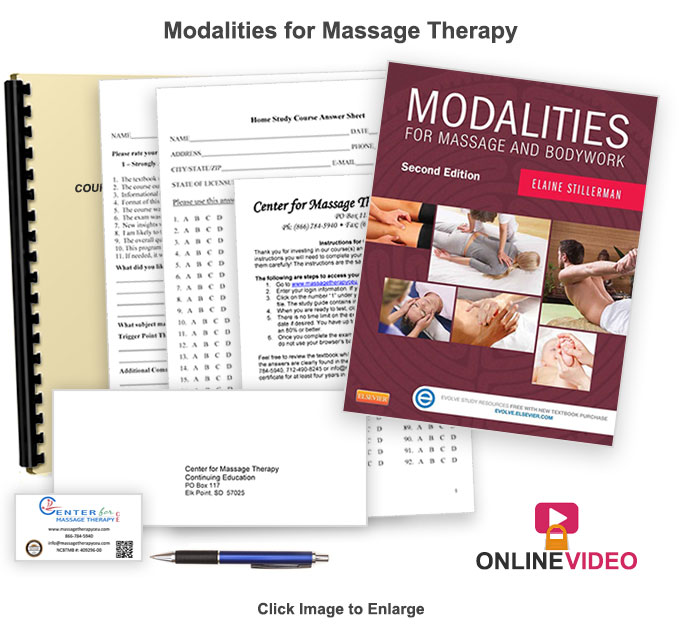
Text: Modalities for Massage and Bodywork, 2nd Edition, by Elaine Stillerman, 471 pages
Online resources and technique demonstrations
Study guide with instructions
116-question online multiple-choice final exam
Course evaluation
Certificate of achievement upon completion
Unlimited phone support
The Center for Massage Therapy Continuing Education, LLC is an Approved Provider through the National Certification Board for Therapeutic Massage and Bodywork (NCBTMB); Approved Provider number 409296-00.
Our massage online continuing education courses are also accepted by the American Massage Therapy Association (AMTA), Associated Bodywork and Massage Professionals (ABMP), and most state boards.
For more information on individual state requirements and approvals, please visit our Approvals page and click on your state.
I liked how the textbook contained clear information on the various techniques and philosophies, and did not come across as overbearing. - Randall Brown
I loved learning about many different massage modlaities in one course. - Sandy Harsma, LMP
The course was straight forward and to the point which I liked. - E. Matthews, LMT
Everything was so interesting. It will be hard to choose which modality to pursue. - Janie Sanderson, LMT
The exam questions followed in order of the text with no trick questions. - Phuy Tang, LMT
I would highly recommend this course. - Michelle Digrazia, LMT
What are the four characteristics that define cancer and will influence the treatment for it?
A. Site, type, level, and severity
B. Stage, grade, color, and appearance
C. Site, stage, grade, and type
D. Appearance, stage, grade, and type
According to reflexology theory, how many energy zones are present in the body?
A. 4
B. 10
C. 13
D. 15
__________ treatment is a common treatment for chronic overuse tendon disorders such as tendinosis.
A. Deep Friction
B. Stretching
C. Compression broadening
D. Static compression
Course Author
About the Instructor
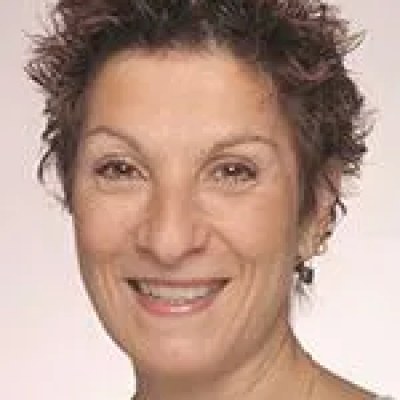
Elaine Stillerman, LMT
Elaine received her New York State license in massage therapy in 1978. She started her pioneering work with pregnant women in 1980 and developed the professional training course, MotherMassage: Massage During Pregnancy in 1990. This course provides professional certification to massage therapists, childbirth educators, nurse-midwives and doulas in prenatal massage, labor support massage and postpartum recovery care. Trainings are offered at massage schools across the country.
She is the author of four highly acclaimed books, MotherMassage: A Handbook For Relieving the Discomforts of Pregnancy (Dell, 1992), translated into several languages, The Encyclopedia of Bodywork (Facts On File, 1996), Prenatal Massage: A Textbook of Pregnancy, Labor and Postpartum Bodywork (Mosby Pub.Co., 2007)and Modalities for Massage and Bodywork (Mosby Pub. Co.,2009).
She was on the faculty at the Swedish Institute for almost fourteen years where she taught Swedish Massage at both basic and intermediate levels and was instrumental in developing their Business Practices course.