Cost includes all materials. Shipping, if applicable, is a flat rate.
Learn the principles and techniques of pediatric massage in this 10-hour continuing education course for massage therapists. The course introduces massage therapy for children from infancy through adolescence and explores the physical and developmental changes that occur throughout childhood.
You will learn about the benefits, indications, and contraindications of pediatric massage, along with techniques for providing massage to children with different needs. The course also covers pediatric massage considerations for children with disabilities and common discomforts, including autism and growing pains, as well as hydrotherapy techniques that may be used alongside massage.
In this course, you will learn:
The stages of childhood from infancy through adolescence
Principles and considerations of pediatric massage
Benefits, indications, and contraindications
Massage techniques appropriate for children
Swedish massage techniques for pediatric clients
Massage considerations for children with disabilities and common discomforts
Considerations when working with children with autism and growing pains
Hydrotherapy techniques that may complement pediatric massage
When to consult or refer to a child's physician
Professional considerations when providing massage to pediatric clients
Why take this course?
Working with pediatric clients requires an understanding of children's developmental stages, physical needs, and appropriate massage considerations. This 10-hour course provides massage therapists with a foundation in pediatric massage techniques, safety considerations, and adaptations for children with different needs, making it a useful addition for therapists interested in expanding their practice to younger clients.
Describe the major stages of childhood from infancy through adolescence.
Explain basic principles and considerations associated with pediatric massage.
Identify benefits, indications, and contraindications for pediatric massage.
Describe massage techniques appropriate for pediatric clients.
Identify considerations for working with children with disabilities and common discomforts.
Explain appropriate professional considerations when working with pediatric clients.
Describe hydrotherapy approaches that may be used in conjunction with pediatric massage.
Recognize situations in which consultation with or referral to a child's physician may be appropriate.
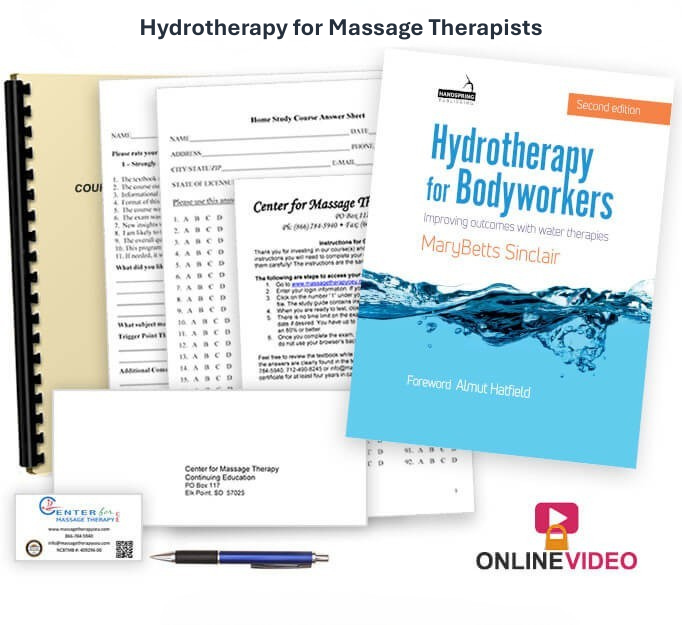
Online Text: Pediatric Massage Therapy by Marybetts Sinclair, 205 pages
Study guide with instructions
80-question online multiple-choice exam
Course evaluation
Certificate of achievement upon completion
Unlimited phone support
The Center for Massage Therapy Continuing Education, LLC is an Approved Provider through the National Certification Board for Therapeutic Massage and Bodywork (NCBTMB); Approved Provider number 409296-00.
Our massage therapy continuing education courses are also accepted by the American Massage Therapy Association (AMTA), Associated Bodywork and Massage Professionals (ABMP), and most state boards.
For more information on individual state requirements and approvals, please visit our Approvals page and click on your state.
I liked everything... - S. Twyman, LMT
Love the use of hydrotherapy. It is a modality often over looked in therapeutic trainings. - Heather Seals, LMT
Valuable information that I can incorporate into my practice right away. - Steph Kollars, LMT
When working on preschool age children, all of the following are nonverbal cues of resistance or pain EXCEPT:
A. Flinching
B. Holding of breath
C. Laughing
D. Tensing parts of the body
All of the following are contraindications to pediatric massage EXCEPT:
A. Open cuts, burns, boils or rashes
B. Endangerment sites such as the inner elbow
C. Hyperactivity in children
D. Acute illness or fever
All of the following types of therapy can delay the onset of contracture in children with muscular dystrophy EXCEPT:
A. Swedish massage techniques
B. Debridement therapy
C. Strengthening exercises
D. Passive stretching
Course Author
About the Instructor
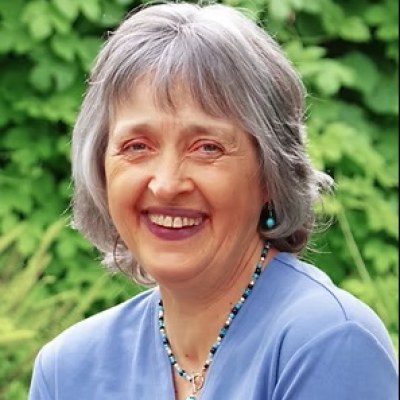
MaryBetts Sinclair, LMT
MaryBetts Sinclair is a massage instructor, researcher, author and natural vision coach. Since 1975, Sinclair has taught a wide variety of bodywork classes to thousands of professional massage therapists and laypeople. Her textbooks have been translated into many languages and are used by many excellent massage schools and educational programs.