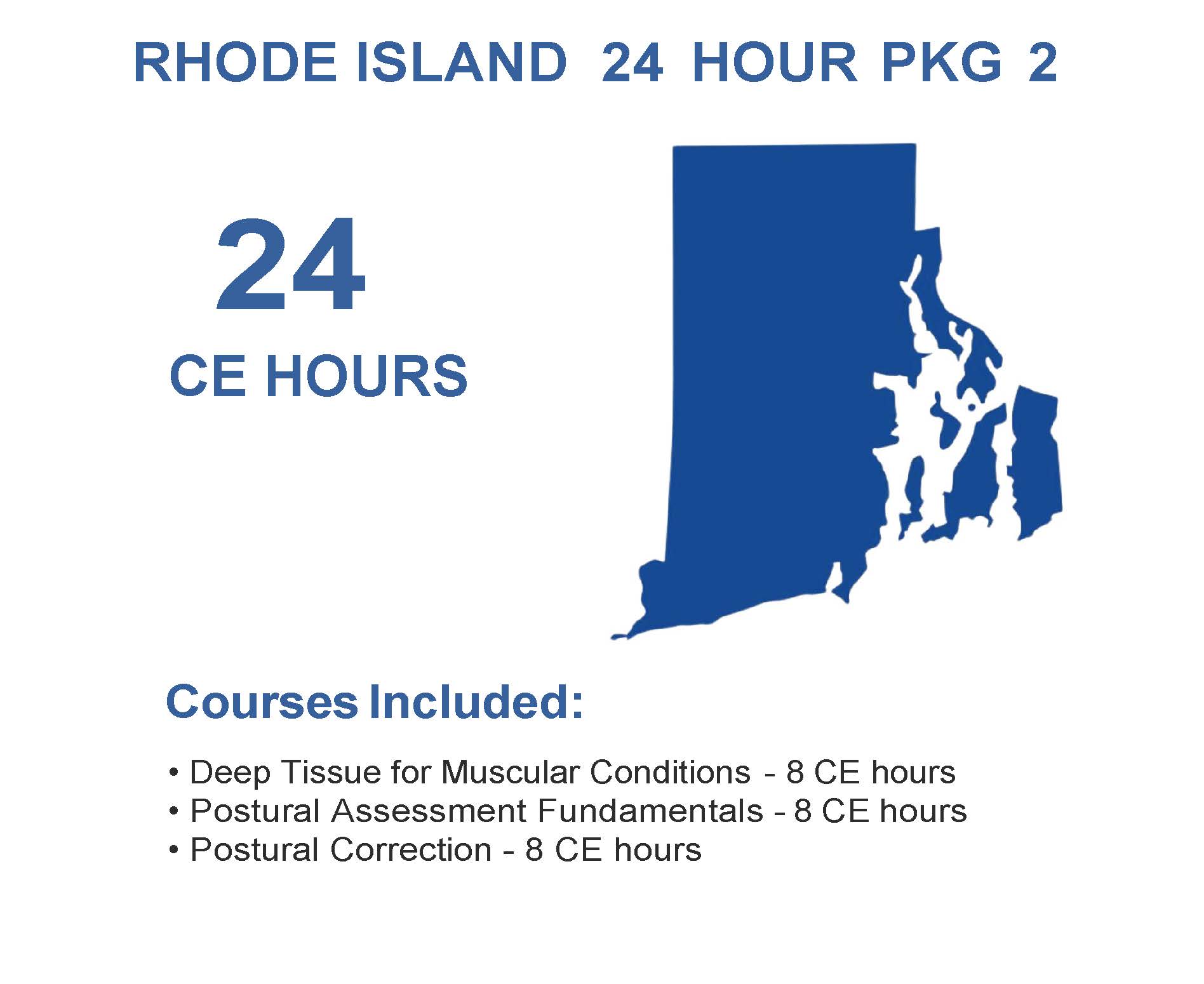
Cost includes all materials. Shipping, if applicable, is a flat rate.
Learn the fundamentals of postural assessment for massage therapy in this 8-hour continuing education course. Postural assessment can help massage therapists identify muscular and fascial imbalances and better understand anatomical relationships that may contribute to a client’s pain or dysfunction.
This course provides step-by-step instruction for assessing posture from standing posterior, lateral, and anterior views, as well as in a seated position. Detailed photographs and illustrated assessment charts provide visual guidance for evaluating posture and recognizing common postural patterns.
In this course, you will learn:
The fundamentals of postural assessment
The definition, benefits, and contraindications of posture assessment
Ideal posture and factors that can affect posture
How muscular and fascial imbalances may affect posture
Anatomical relationships associated with postural patterns
Step-by-step postural assessment procedures
Assessment from posterior, anterior, and lateral views
Seated postural assessment techniques
How to use illustrated postural assessment charts in massage practice
Why take this course?
Postural assessment is a useful skill for massage therapists who want to strengthen their understanding of the relationship between posture, muscles, fascia, and movement. Learning how to observe and assess posture can provide additional information when evaluating a client and planning massage sessions.
This 8-hour course combines clear explanations, detailed photographs, and practical assessment charts to provide a strong foundation in postural assessment. It is a good choice for massage therapists who want to expand their assessment skills and develop a deeper understanding of anatomical relationships.
Define postural assessment and explain its relevance to massage therapy.
Identify benefits, contraindications, and precautions associated with postural assessment.
Describe ideal posture and factors that can influence postural alignment.
Recognize anatomical relationships associated with common postural patterns.
Perform basic postural assessments from anterior, posterior, and lateral views.
Perform a basic seated postural assessment.
Identify muscular and fascial imbalances that may be associated with postural dysfunction.
Use postural assessment information to support client evaluation and massage therapy planning.
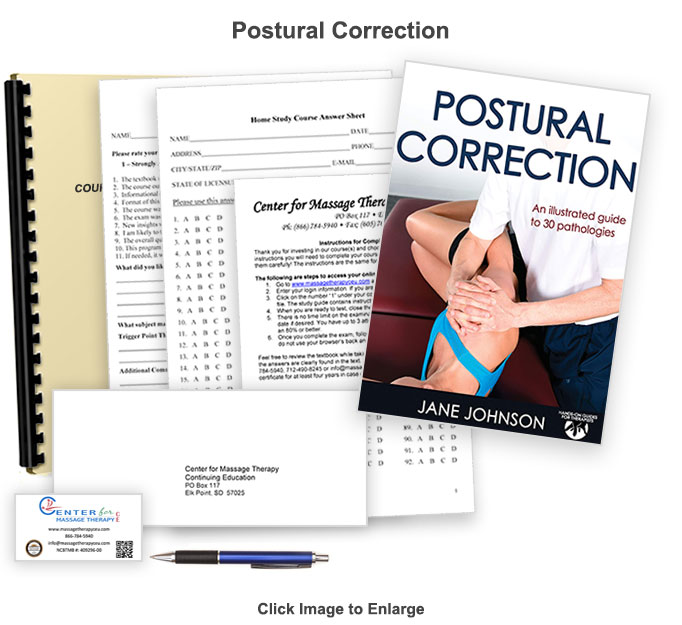
Text: Postural Assessment by Jane Johnson, 268 pages
Course guide with instructions
Illustrated postural assessment charts
57-question examination
Course evaluation
Certificate of achievement upon completion
Unlimited phone support
The Center for Massage Therapy Continuing Education, LLC is an Approved Provider through the National Certification Board for Therapeutic Massage and Bodywork (NCBTMB); Approved Provider number 409296-00.
Our massage online continuing education courses are also accepted by the American Massage Therapy Association (AMTA), Associated Bodywork and Massage Professionals (ABMP), and most state boards.
For more information on individual state requirements and approvals, please visit our Approvals page and click on your state.
It was information I felt I needed for my practice. - J. Alluard. LMT
I liked that the course was easy to navigate. The exam was easy to navigate and the course was straight to the point and easy to understand. - June Allard, LMT
Great information on assessing a client's posture. I recommend to any bodyworker! - John Stevens, LMT
I like the photo illustrations and the table information. - Vicki Shaw, LMT
All of the following are cautions and/or contraindications to carrying out a postural assessment EXCEPT:
A. Pain with prolonged standing
B. Clients with low blood pressure
C. Clients with normal blood pressure
D. Clients who can stand without discomfort but who feel unbalanced
Which of the following may contribute to one shoulder appearing higher than the other?
A. Shortening in biceps brachii and the lower fibers of the trapezius
B. Lengthening in soleus and gastrocnemius muscles
C. Shortening in levator scapulae and the upper fibers of the trapezius
D. Shortening in temporalis and the medial fibers of the trapezius
Which of the following is a question you may ask yourself when evaluating the thorax of a client in a seated position?
A. Are the shoulders of the client level?
B. Do the hips face forward and the thorax another way?
C. Does the client position their feet flat on the floor?
D. All of the above
Course Author
About the Instructor
Jane Johnson, PhD, MSc, BSc(Hons), BA(Hons), CSP, HCPC
Jane Johnson, PhD, MSc, BSc(Hons), BA(Hons), CSP, HCPC, is a chartered physiotherapist specializing in occupational health and massage. In this role she assesses the posture of clients; performs manual assessments, including that of the soft tissues; and determines whether work, sport, or recreational postures may be contributing to a person’s symptoms. She devises postural correction plans that include both hands-on and hands-off techniques. A key element of her work involves educating each client in how to self-manage their condition.