Cost includes all materials. Shipping, if applicable, is a flat rate.
Ethics and professional regulations are an important part of providing safe, respectful, and responsible massage therapy services. Understanding your professional responsibilities, personal beliefs, scope of practice, and applicable laws can help you make informed decisions and maintain appropriate relationships with your clients.
This 3 CE hour course provides massage therapists with a practical overview of ethics, beliefs, culture, morals, values, professional standards, scope of practice, and massage therapy regulations. You’ll also explore client communication, intake forms, and ways to develop your own personal code of ethics.
The course is designed to help massage therapists better understand the ethical and professional responsibilities that guide their work and support a successful massage therapy practice.
In this course, you will learn:
What ethics means in the massage therapy profession
How beliefs, culture, morals, and values can influence ethical decision-making
The importance of professional standards and responsible client care
How to communicate effectively with clients
Important considerations when developing client intake forms
The importance of practicing within your professional scope
How laws, rules, and regulations can affect your massage therapy practice
The role of state regulations and professional standards
How to recognize ethical considerations that may arise in everyday practice
How to develop your own personal code of ethics
Why take this course?
Ethical decisions are part of everyday massage therapy practice. From establishing professional boundaries and communicating with clients to understanding your scope of practice and following state regulations, a strong understanding of professional ethics can help protect both you and your clients.
Whether you are looking to fulfill an ethics continuing education requirement or want to strengthen your understanding of professional responsibilities, this course provides practical information you can apply to your massage therapy career.
Define ethics and explain its importance in massage therapy practice.
Explain how beliefs, culture, morals, and values may influence ethical decision-making.
Describe the importance of professional standards and responsible client care.
Identify appropriate methods of communicating with clients and gathering information through intake forms.
Explain scope of practice and the professional responsibilities of massage therapists.
Describe how laws, rules, and regulations affect massage therapy practice.
Recognize ethical considerations that may arise in everyday professional situations.
Develop a personal code of ethics that supports professional and responsible practice.
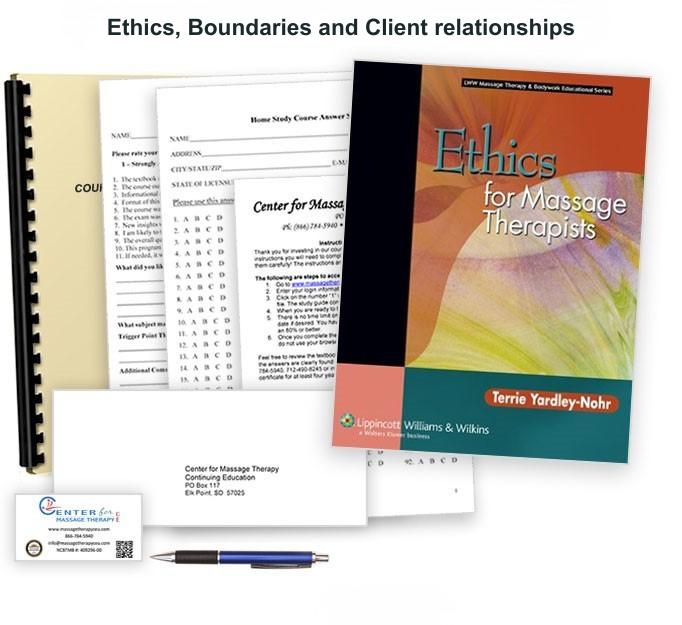
Text: Ethics for Massage Therapists text, Chapters 1-4 and 14 by Terrie Yardley Nohr, 57 pages
Guide with instructions
Multiple choice exam of 15 questions
Course evaluation
Certificate of achievement upon completion
Unlimited phone and email support for any of your questions
The Center for Massage Therapy Continuing Education, LLC is an Approved Provider through the National Certification Board for Therapeutic Massage and Bodywork (NCBTMB); Approved Provider number 409296-00.
Our massage online continuing education courses are also accepted by the American Massage Therapy Association (AMTA), Associated Bodywork and Massage Professionals (ABMP), and most state boards.
For more information on individual state requirements and approvals, please visit our Approvals page and click on your state.
Perfect ethics course! Interesting information. - Jenna C.
I liked that I could download the material and work at my own pace. - Tameka B.
Information was up-to-date and relevant to the massage profession. Would recommend to others! - Maryanne G.
What are beliefs?
a. What you personally feel is true
b. An individual’s or group’s standards of behavior
c. Beliefs about what is right and wrong or good and bad
d. Something of worth or held in esteem
All of the following should be included on a client intake form EXCEPT:
a. What the client’s goals are for their massage session
b. Any areas where clients do or do not want you to work on
c. Information about the client’s religious affiliations
d. Any information required by your state’s laws and regulations
In cases such as the regulation of a profession, a __________ may oversee enforcement of the law.
a. Police officer
b. Public representative
c. Client
d. State board
Course Author
About the Instructor
Terrie Yardley-Nohr, LMT
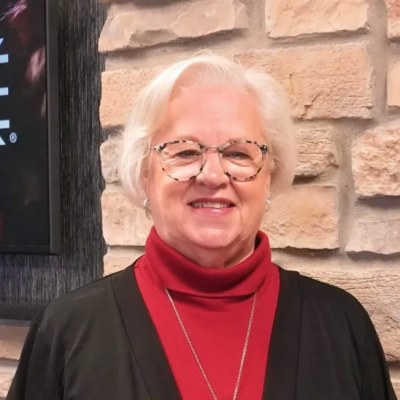
Terrie Yardley-Nohr, LMT, is the Director of Massage Therapy at MassageLuXe and has more than three decades of experience in the massage industry. Yardley-Nohr has worked in various massage settings, including private practices, retail spas and chiropractic offices. Her extensive knowledge and expertise have enabled her to develop programs and curriculums for several career colleges. Nohr’s book, “Ethics for Massage Therapists,” is a standard reference used by educators to train aspiring massage therapists. She has also served on the boards of the American Massage Therapy Association and the Alliance of Massage Therapy Educators, where she played a significant role in the passage of a law mandating state licensure and testing for massage therapists.