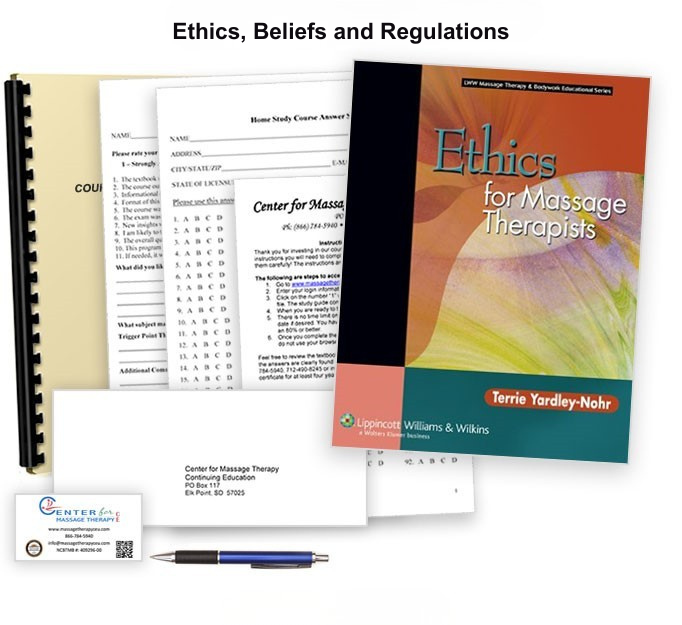
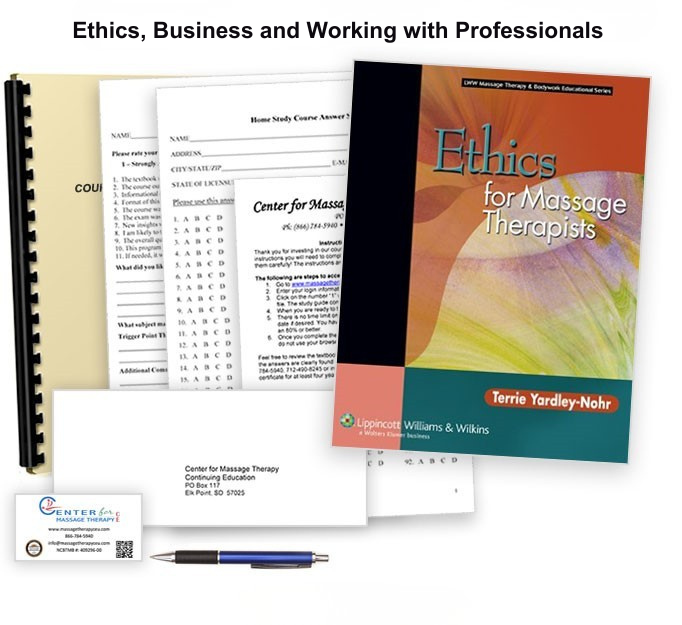
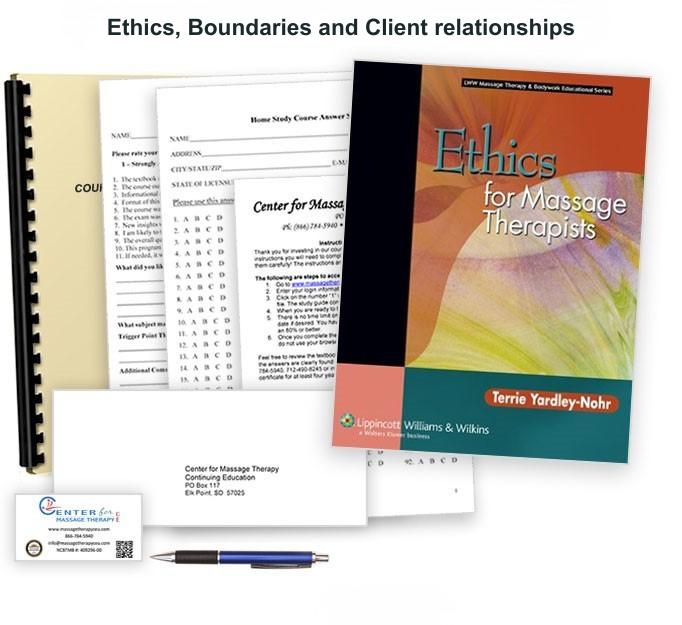
Cost includes all materials. Shipping, if applicable, is a flat rate.
Learn the fundamentals of professional ethics and explore how ethical principles apply to everyday massage therapy practice. This 6-hour continuing education course provides a comprehensive overview of professional values, codes of ethics, ethical boundaries, massage therapy laws and regulations, policies and procedures, conflict resolution, and common ethical situations.
Whether you are completing an ethics continuing education requirement or looking to refresh and strengthen your knowledge of professional ethics, this course provides practical information and real-world scenarios to help you make informed decisions and maintain professional standards throughout your massage therapy career.
In this course, you will learn:
The meaning and importance of professional ethics in massage therapy
How personal and professional values can influence ethical decision-making
The purpose and importance of a massage therapy code of ethics
How to establish and maintain appropriate professional boundaries
Professional limitations and responsibilities of massage therapists
How massage therapy laws, rules, and regulations affect professional practice
The importance of policies and procedures in a massage therapy practice
How to recognize and address potential ethical conflicts
Strategies for resolving professional conflicts
How to understand and respond appropriately to client expectations
How ethical principles apply to common situations in massage therapy practice
How to evaluate real-world ethical scenarios and determine appropriate responses
Why Take This Course?
Ethical decisions are part of everyday massage therapy practice. Massage therapists must understand professional boundaries, client expectations, applicable laws and regulations, and their responsibilities to clients and the profession.
This 6-hour course provides a broad review of massage therapy ethics through practical information and real-world scenarios. It is a useful option for massage therapists who need ethics continuing education or want to strengthen their understanding of professional responsibilities and ethical decision-making.
Whether you are reviewing ethics for license renewal or simply want to refresh your knowledge, this course provides a comprehensive foundation in professional ethics that you can apply throughout your massage therapy career.
Define professional ethics and explain its importance in massage therapy.
Describe how personal and professional values may influence ethical decision-making.
Explain the purpose and role of a professional code of ethics.
Identify appropriate professional boundaries, limitations, and responsibilities.
Describe how massage therapy laws, rules, and regulations affect professional practice.
Recognize common ethical conflicts and identify appropriate strategies for addressing them.
Explain the importance of policies, procedures, and professional communication.
Apply ethical principles to real-world massage therapy scenarios and professional decision-making.
Text: Ethics for Massage Therapists online textbook, by Terrie Yardley-Nohr, 169 pages
Guide with instructions
Multiple Choice exam of 45 questions
Course evaluation
Certificate of achievement upon completion
Unlimited phone and email support for any of your questions
The Center for Massage Therapy Continuing Education, LLC is an Approved Provider through the National Certification Board for Therapeutic Massage and Bodywork (NCBTMB); Approved Provider number 409296-00.
Our online massage continuing education courses are also accepted by the American Massage Therapy Association (AMTA), Associated Bodywork and Massage Professionals (ABMP), and most state boards.
For more information on individual state requirements and approvals, please visit our Approvals page and click on your state.
Easy to follow. - Erin Rhoades, LMT
Even though this was just a review of ethics, I enjoyed the information and it was delivered very quickly. - Joan Spencer, LMT
Ethics is a dry subject, but this course kept my interest an was priced right. - Madeline Jones, LMT
I liked the example scenarios. They gave a real life situation to the theories. - Max Wright, LMT
All of the following bodies may enforce massage laws and regulations EXCEPT:
A. The public
B. Police officers
C. State massage board
D. Court system
What is transference?
A. A therapist attributing thoughts or feelings about another person to the client
B. A situation that occurs when two roles or relationships overlap or interact
C. The shift of authority that can exist in the client-therapist relationship
D. A client attributing thoughts or feelings about another person to the therapist
When clients communicate their needs, it is important for the therapist to:
A. Do what the therapist thinks is best
B. Listen carefully
C. End the massage session
D. Refer the client to another healthcare professional
Course Author
About the Instructor
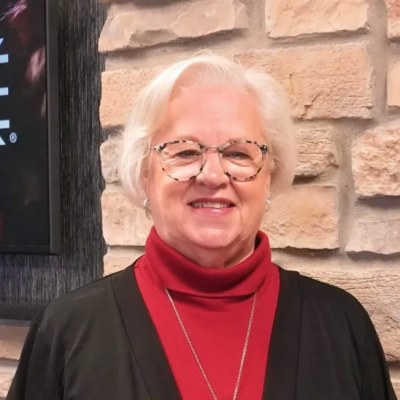
Terrie Yardley-Nohr, LMT
Terrie Yardley-Nohr, LMT, is the Director of Massage Therapy at MassageLuXe and has more than three decades of experience in the massage industry. Yardley-Nohr has worked in various massage settings, including private practices, retail spas and chiropractic offices. Her extensive knowledge and expertise have enabled her to develop programs and curriculums for several career colleges. Nohr’s book, “Ethics for Massage Therapists,” is a standard reference used by educators to train aspiring massage therapists. She has also served on the boards of the American Massage Therapy Association and the Alliance of Massage Therapy Educators, where she played a significant role in the passage of a law mandating state licensure and testing for massage therapists.